Enhancing Market Access for Moroccan Exporters and Cooperatives
- QAP Team

- 20 mai
- 4 min de lecture
Morocco has long been recognized for its rich cultural heritage and diverse agricultural products. However, many Moroccan exporters and cooperatives face significant challenges when it comes to accessing international markets. This blog post explores practical strategies to enhance market access for these entities, ensuring they can thrive in the global economy.

Understanding the Current Landscape
The Importance of Exports
Exports play a crucial role in Morocco's economy. They not only contribute to GDP but also create jobs and foster innovation. In 2022, Morocco's exports reached approximately $30 billion, with agricultural products accounting for a significant portion. However, many exporters struggle to penetrate international markets due to various barriers.
Challenges Faced by Moroccan Exporters
Regulatory Hurdles: Navigating complex regulations can be daunting for small cooperatives. Compliance with international standards often requires resources that are not readily available.
Market Knowledge: Many exporters lack the necessary market intelligence to understand consumer preferences and trends in target markets.
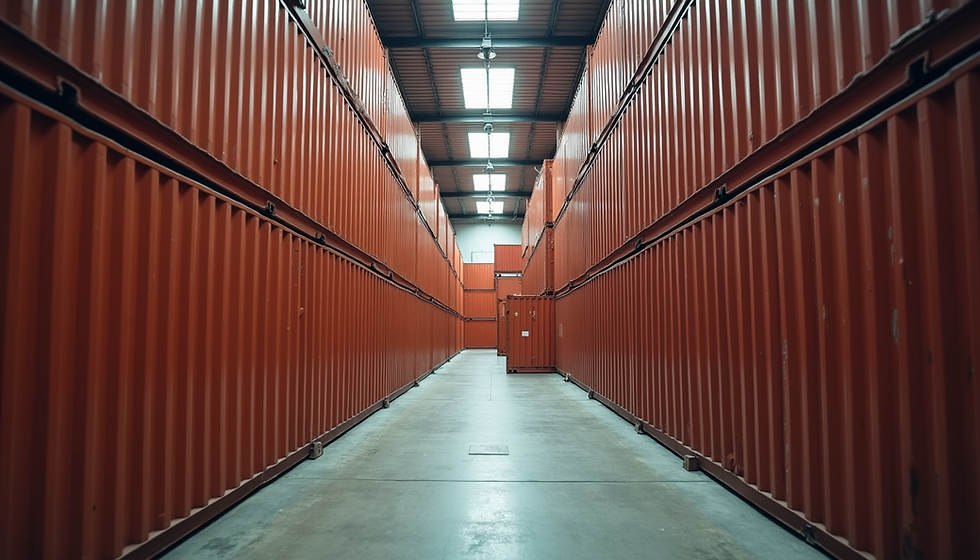
Logistical Issues: Transportation and logistics can be a significant barrier, especially for perishable goods. Delays can lead to spoilage and financial losses.
Limited Access to Financing: Small cooperatives often struggle to secure funding for expansion or to invest in quality improvements.
Strategies for Enhancing Market Access
Building Stronger Networks
Creating robust networks is essential for Moroccan exporters. Collaborations with local and international partners can provide valuable insights and resources. Here are some ways to build these networks:
Participate in Trade Fairs: Engaging in international trade fairs allows exporters to showcase their products and connect with potential buyers.
Join Export Associations: Being part of an export association can provide access to training, resources, and a community of like-minded individuals.
Leverage Online Platforms: Utilizing online marketplaces can help reach a broader audience without the need for a physical presence in foreign markets.
Improving Product Quality
Quality is a key differentiator in international markets. Moroccan exporters should focus on enhancing the quality of their products through:
Investing in Training: Providing training for farmers and producers on best practices can lead to improved product quality.
Adopting Certification Standards: Obtaining certifications such as Organic or Fair Trade can enhance credibility and appeal to conscious consumers.
Implementing Quality Control Measures: Establishing quality control processes ensures that products meet international standards consistently.
Enhancing Market Research
Understanding market dynamics is crucial for success. Moroccan exporters can enhance their market research efforts by:
Conducting Surveys: Gathering feedback from potential customers can provide insights into preferences and buying behaviors.
Analyzing Competitors: Studying competitors in target markets can reveal gaps and opportunities for differentiation.
Utilizing Government Resources: The Moroccan government offers various resources and reports that can aid exporters in understanding market trends.
Streamlining Logistics
Efficient logistics are vital for maintaining product quality and ensuring timely delivery. Moroccan exporters can improve logistics by:
Partnering with Logistics Companies: Collaborating with experienced logistics providers can help navigate the complexities of international shipping.
Investing in Cold Chain Solutions: For perishable goods, investing in cold chain logistics can prevent spoilage and maintain product quality.
Optimizing Supply Chains: Streamlining supply chains can reduce costs and improve delivery times.
Accessing Financing
Financial support is often a barrier for small cooperatives. To enhance access to financing, exporters can:
Explore Microfinance Options: Microfinance institutions can provide small loans to cooperatives that may not qualify for traditional bank loans.
Seek Government Grants: The Moroccan government offers various grants and subsidies aimed at supporting exporters.
Engage with International Organizations: Organizations such as the World Bank and the African Development Bank often have programs designed to support small businesses.
Case Studies of Successful Moroccan Exporters
Example 1: A Cooperative in Agadir
A cooperative in Agadir specializing in argan oil faced challenges in accessing international markets. By participating in trade fairs and obtaining organic certification, they successfully expanded their reach to Europe and North America. Their commitment to quality and sustainable practices resonated with consumers, leading to a significant increase in sales.
Example 2: A Fruit Exporter in the Souss Valley
A fruit exporter in the Souss Valley struggled with logistics and market knowledge. By partnering with a logistics company and conducting market research, they identified new opportunities in the Middle East. This strategic shift not only improved their sales but also established long-term relationships with buyers in the region.
The Role of Government and NGOs
Government Initiatives
The Moroccan government has recognized the importance of enhancing market access for exporters. Initiatives such as the "Moroccan Exporters' Association" aim to provide support and resources for exporters. Additionally, trade agreements with the European Union and the United States have opened new markets for Moroccan products.
NGO Support
Non-governmental organizations play a vital role in supporting cooperatives and small exporters. They often provide training, resources, and access to markets. Collaborating with NGOs can help exporters navigate challenges and enhance their competitiveness.
Conclusion
Enhancing market access for Moroccan exporters and cooperatives is essential for economic growth and sustainability. By building networks, improving product quality, conducting thorough market research, streamlining logistics, and accessing financing, these entities can thrive in the global marketplace. The journey may be challenging, but with the right strategies and support, Moroccan exporters can unlock their full potential and contribute significantly to the economy.
As we move forward, it is crucial for all stakeholders—government, NGOs, and exporters—to work collaboratively to create an environment that fosters growth and success. The future of Moroccan exports is bright, and with concerted efforts, the country can become a key player in the global market.


Commentaires